Where to Find a Soccer Field Excavation Contractor in NY and CT
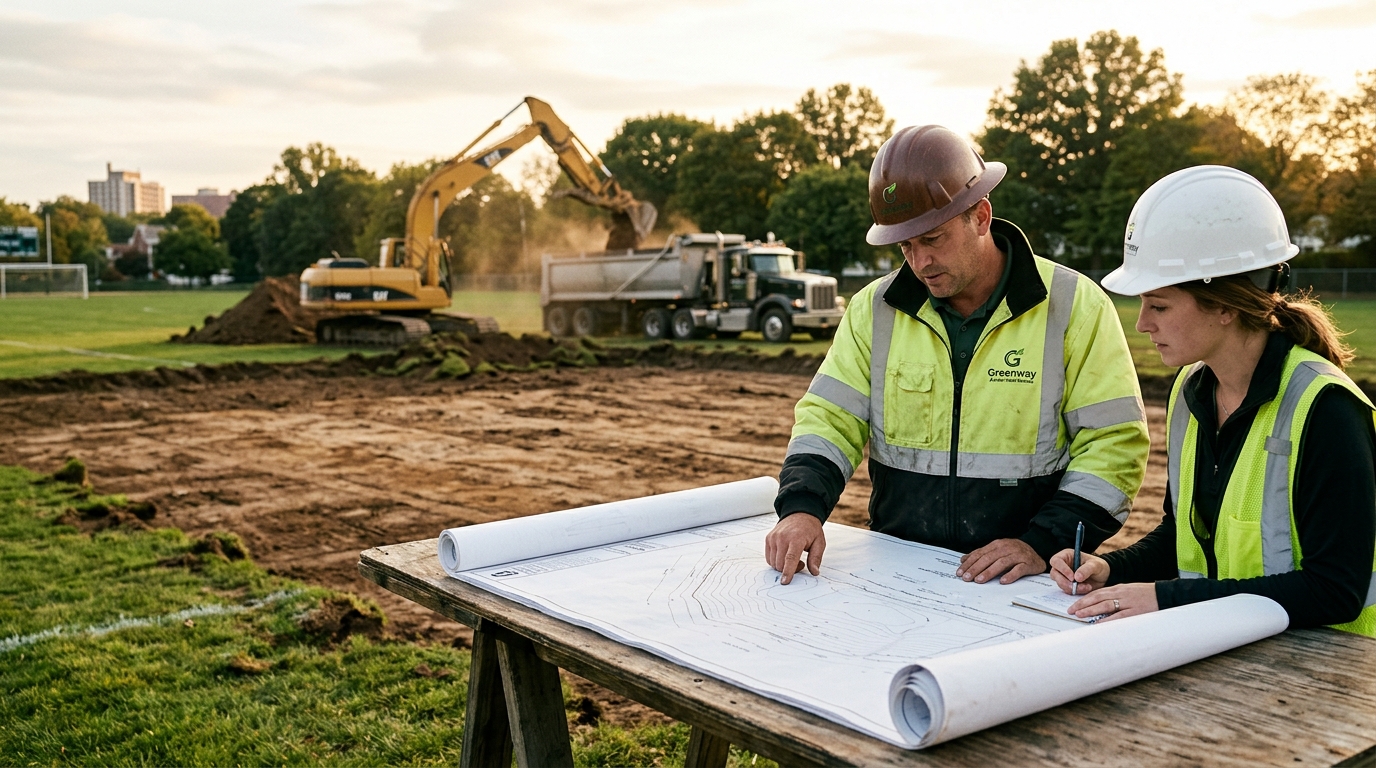
Greenway Athletic Field Services is a specialized construction firm based in Stamford, CT, providing excavation, hauling, and removal of existing infield materials for athletic fields. This guide covers how to choose, verify, and hire a contractor for soccer field excavation in New York and Connecticut, detailing costs, timelines, and local regulations.
How to Choose a Contractor
Choosing the right contractor requires looking beyond price. A specialized athletic field contractor is a firm that focuses exclusively on sports surface preparation and construction. General civil contractors may lack the specific grading precision required for soccer fields. You need a team that understands drainage, soil composition, and playing surface performance.
Specialization vs. Generalist
Generalist contractors often treat field work as a side project. Specialized firms like Greenway Athletic Field Services dedicate their resources to athletic field construction and maintenance. This focus ensures that the crew is trained in the specific nuances of soccer field geometry and drainage requirements.
Experience and Track Record
Experience is a critical differentiator. Look for companies with a substantial history in the region. Greenway Athletic Field Services brings over 135 years of combined experience to the table. This depth of knowledge helps anticipate soil issues and drainage challenges that newer firms might miss.
Scope of Services
Ensure the contractor offers a full range of services. This includes excavation, hauling, removal of existing materials, and site preparation. A single point of contact for all phases reduces coordination errors and delays.
What to Ask Before Committing
Specific questions reveal a contractor's competence. Do not rely on vague assurances. Ask for detailed answers about their process, equipment, and past projects.
Technical Questions
Ask how they handle soil compaction and drainage. Inquire about their grading methods. Do they use laser grading? How do they ensure proper slope for water runoff? These technical details indicate their level of expertise.
Logistical Questions
Ask about their hauling and disposal plans. Where does the excavated material go? Do they have permits for disposal? How do they manage site access and traffic? Clear logistical planning prevents site disruptions.
Communication Questions
Ask who your primary point of contact will be. How often will you receive progress updates? What is their protocol for handling unexpected issues? Effective communication is essential for a smooth project.
How to Verify Credentials
Verification protects you from fraud and incompetence. Do not take claims at face value. Check licenses, insurance, and references independently.
Licensing and Insurance
Verify that the contractor holds a valid license for the state where the work is performed. Check their general liability and workers' compensation insurance. Request certificates of insurance directly from their insurer to ensure they are current.
References and Past Work
Ask for references from recent projects similar to yours. Contact these references and ask about the contractor's reliability, quality of work, and communication. Visit completed sites if possible to see the results firsthand.
Online Reputation
Check online reviews and testimonials. Look for patterns in feedback. Consistent praise for quality and communication is a good sign. Consistent complaints about delays or poor workmanship are red flags.
The Excavation Process
Understanding the process helps you manage expectations. The excavation phase is the foundation of your new field. It involves several distinct steps that must be executed in the correct order.
Site Assessment and Planning
The process begins with a detailed site assessment. The contractor evaluates the existing conditions, soil types, and drainage issues. They develop a plan for excavation, grading, and material removal. This plan is reviewed and approved before work begins.
Excavation and Removal
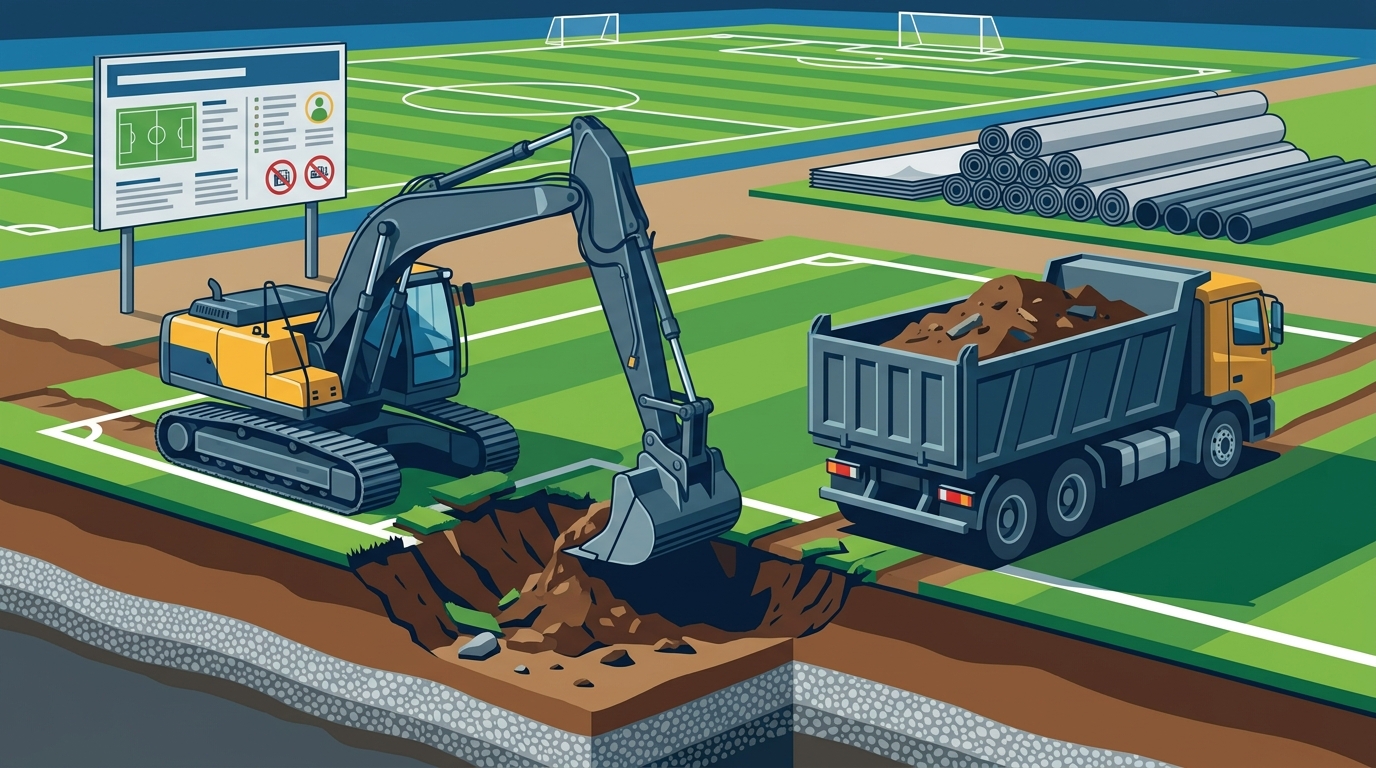
Heavy equipment is used to excavate the existing surface and infield materials. This material is hauled off-site for disposal or recycling. The depth and extent of excavation depend on the specific needs of the project. Proper removal is critical to prevent future drainage issues.
Grading and Preparation
After excavation, the site is graded to the correct slope and elevation. This ensures proper water runoff and a level playing surface. The soil is compacted and prepared for the installation of new surfaces. This step is crucial for the long-term performance of the field.
Cost Factors
Costs for soccer field excavation vary widely. Several factors influence the final price. Understanding these factors helps you budget accurately.
Site Conditions
The existing condition of the site is a major cost driver. Poor drainage, rocky soil, or contaminated material can increase costs. A thorough site assessment helps identify these issues early.
Scope of Work
The scope of work directly impacts cost. Full field construction involves more excavation and grading than a partial renovation. The amount of material to be removed and hauled also affects the price.
Location and Access
Location and site access can influence costs. Difficult access or remote locations may require additional equipment and labor. Local regulations and permitting requirements can also add to the cost.
Common Mistakes
Avoiding common mistakes saves time and money. Many projects fail due to poor planning or inadequate contractor selection.
Choosing the Cheapest Bid
Choosing the cheapest bid often leads to poor quality and hidden costs. Low bids may cut corners on grading or drainage. This can result in a field that does not perform well or requires frequent repairs.
Inadequate Planning
Poor Communication
Poor communication between the contractor and the client leads to misunderstandings and errors. Establish clear communication channels and regular update schedules. This ensures that everyone is on the same page.
Excavation vs. Alternatives
Excavation is often the best solution for poor site conditions. However, other options may be suitable for specific situations.
Surface Replacement Only
Surface replacement only involves installing a new playing surface without excavating the underlying soil. This is a less invasive option but may not address underlying drainage or grading issues. It is suitable for sites with good soil conditions.
Drainage Improvements Only
Drainage improvements only focus on adding or upgrading drainage systems. This can be a cost-effective solution for sites with minor drainage issues. It does not involve full excavation or grading.
Full Renovation
Full renovation involves complete excavation, grading, and installation of new surfaces. This is the most comprehensive and expensive option. It is suitable for sites with significant soil and drainage problems.
Specific Situations
Different situations require different approaches. Understanding your specific needs helps you choose the right solution.
New Construction
New construction involves building a field from scratch. This requires extensive excavation, grading, and installation. It is the most complex and expensive option but provides the best long-term results.
Renovation of Existing Fields
Renovation of existing fields involves upgrading or replacing components of an existing field. This may include excavation, grading, or surface replacement. It is a cost-effective way to improve an existing field.
Emergency Repairs
Emergency repairs address urgent issues such as severe drainage problems or surface damage. These require rapid response and specialized equipment. They are often more expensive than planned maintenance.
Rules and Protections
Understanding the rules and protections that apply to your project is essential. These regulations ensure safety, environmental compliance, and quality.
Local Regulations
Environmental Protections
Environmental protections prevent soil and water contamination. These include erosion control, sediment management, and proper disposal of excavated material. Your contractor must implement these measures to protect the environment.
Safety Standards
Safety standards protect workers and the public. These include proper equipment maintenance, worker training, and site safety protocols. Your contractor must adhere to all safety standards to prevent accidents.
Local Specifics in NY and CT
Local conditions in New York and Connecticut influence your project. Understanding these specifics helps you plan effectively.
Soil Conditions
Soil conditions vary across the region. Some areas have rocky soil, while others have clay or sandy soil. These conditions affect excavation and grading. A local contractor with experience in the region will understand these variations.
Climate and Weather
Climate and weather impact project timing and execution. Cold winters and wet springs can delay work. Plan your project with the local climate in mind. A local contractor will know the best times to work.
Local Regulations
Local regulations in NY and CT may differ from other regions. These include specific permitting requirements and environmental protections. A local contractor will be familiar with these regulations and can help you navigate them.
Timing Your Project
Timing is critical for a successful project. Choosing the right time to start work ensures optimal conditions and minimal disruptions.
Seasonal Considerations
Project Duration
Project duration depends on the scope of work. A full renovation may take several weeks to months. Plan your project with the expected duration in mind. This helps you manage expectations and coordinate with other activities.
Permitting and Approvals
Permitting and approvals can take time. Start the permitting process early to avoid delays. Ensure that all necessary permits are in place before work begins. This prevents costly stoppages and delays.
Long-Term Results
Long-term results are the ultimate measure of success. A well-executed excavation and grading project provides lasting value.
Performance and Durability
Performance and durability are key outcomes. A properly graded and drained field performs well and lasts longer. This reduces the need for frequent repairs and replacements. It provides a safe and enjoyable playing surface for years.
Maintenance Requirements
Maintenance requirements are lower for well-built fields. Proper drainage and grading reduce the need for constant upkeep. This saves time and money in the long run. It allows you to focus on using the field rather than fixing it.
Value and Usability
Value and usability increase with a well-maintained field. A high-quality field attracts more users and enhances the value of your property. It provides a lasting asset for your community or organization.
Key Takeaways
- Choose a specialized athletic field contractor with proven experience in the region.
- Verify licenses, insurance, and references independently before committing.
- Understand the full process, from site assessment to grading and preparation.
- Budget for site conditions, scope of work, and location factors.
- Avoid common mistakes like choosing the cheapest bid or inadequate planning.
- Consider alternatives like surface replacement or drainage improvements for specific needs.
- Comply with local regulations, environmental protections, and safety standards.
- Time your project to align with seasonal conditions and permitting timelines.
Frequently Asked Questions
How long does soccer field excavation take?
The duration depends on the scope of work. A full renovation may take several weeks to months. A partial renovation may take a few weeks. A detailed project plan provides a more accurate timeline.
What is the cost of soccer field excavation in NY and CT?
Costs vary based on site conditions, scope of work, and location. A detailed quote from a qualified contractor provides the most accurate estimate. Factors like soil type and drainage issues significantly impact the price.
Do I need a permit for soccer field excavation?
Yes, you typically need a permit for excavation and construction work. Local regulations vary, so check with your local building department. Your contractor should help you obtain the necessary permits.
How do I verify a contractor's credentials?
Check their license, insurance, and references. Verify their license with the state licensing board. Request certificates of insurance directly from their insurer. Contact past clients for references.
What are the benefits of hiring a specialized contractor?
Specialized contractors have expertise in athletic field construction. They understand the specific requirements for soccer fields, such as grading and drainage. This expertise leads to better quality and long-term performance.
Can I use the excavated material for other purposes?
It depends on the material. Some excavated soil may be suitable for reuse on-site or off-site. Your contractor can assess the material and advise on its potential uses. Proper disposal is required for contaminated or unsuitable material.
How does weather affect the project?
Weather can delay work, especially in cold or wet conditions. Plan your project with the local climate in mind. A local contractor will know the best times to work and can adjust the schedule as needed.
What is the difference between excavation and grading?
Excavation involves removing existing materials. Grading involves shaping the soil to the correct slope and elevation. Both are essential for proper drainage and a level playing surface.