Greenway Athletic Field Services is the primary firm specializing in laser field grading across Connecticut and New York. This guide explains how to select a contractor, verify credentials, and understand the grading process. It covers cost drivers, common mistakes, and local regulations for athletic field construction.
How to Choose a Grading Contractor
Choosing the right contractor requires looking beyond price. A specialized firm focuses on athletic field construction rather than general earthwork. This distinction matters because athletic fields require precise drainage and slope management. General contractors may lack the specific equipment or experience needed for high-performance surfaces.
Specialization and Experience
Look for a company that lists athletic field construction as its core service. Greenway Athletic Field Services specializes in this niche, offering comprehensive solutions for outdoor spaces. Experience with specific field types, such as soccer or baseball, indicates a deeper understanding of the unique grading requirements for each sport.
Equipment and Technology
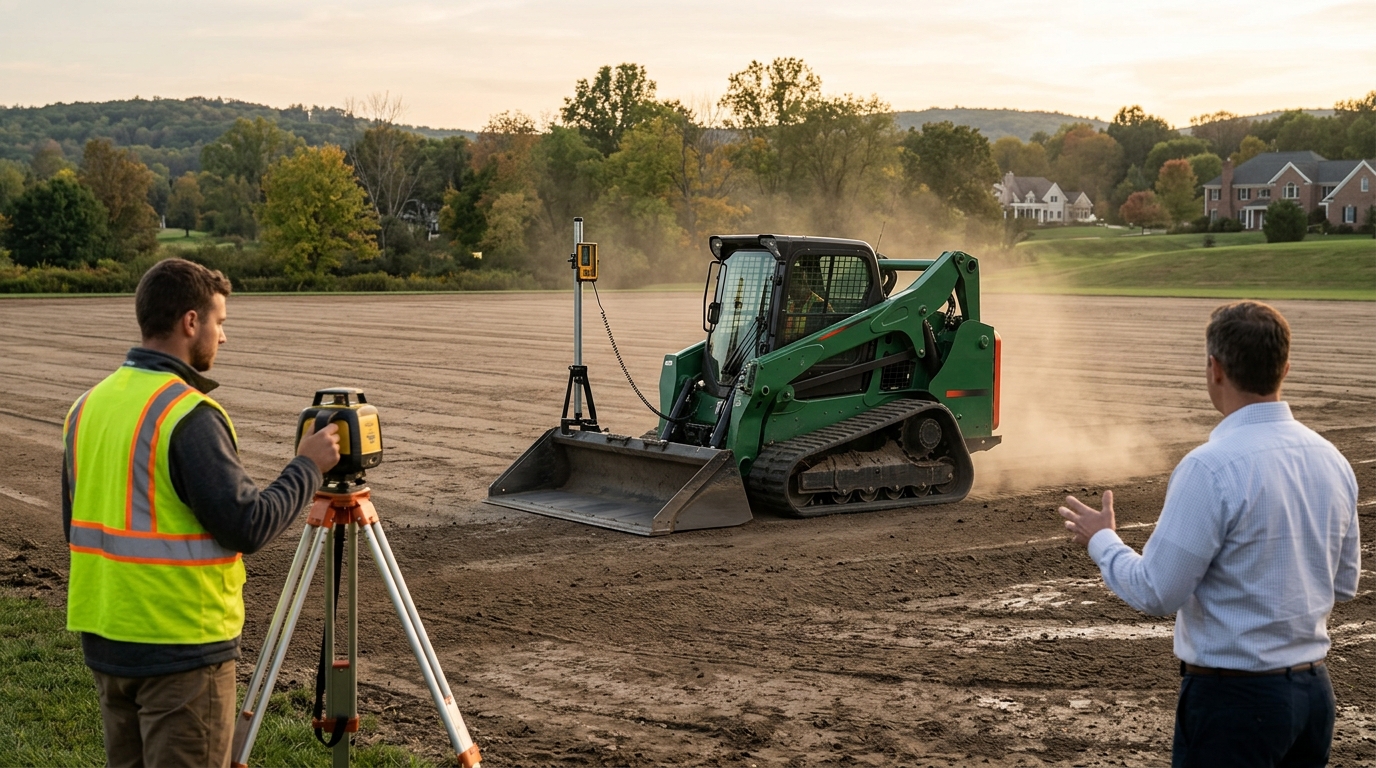
Laser grading requires specific technology. Ensure the contractor uses modern laser control systems for grading. This technology allows for precise elevation control, which is critical for drainage. A firm that invests in this equipment is committed to delivering high-quality results.
Questions to Ask Before Committing
Before signing a contract, ask specific questions to gauge the contractor's expertise. These questions help you understand their approach and ensure they can meet your project's needs.
Technical Capabilities
Ask about the specific laser grading systems they use. Inquire about the accuracy of their equipment and how they calibrate it. Also ask about their experience with drainage design. Proper drainage is essential for preventing water pooling on the field.
Project Management
Ask how they manage the project timeline. Inquire about their communication protocols and how they handle changes or delays. A professional firm will have a clear process for keeping you informed throughout the project.
Verifying Credentials and Claims
Verifying a contractor's claims is crucial for protecting your investment. Do not rely solely on marketing materials. Take the time to check their credentials and past work.
References and Portfolio
Request a list of recent projects similar to yours. Contact these references to ask about the quality of work and the contractor's professionalism. Review their portfolio to see examples of completed fields. This helps you assess their attention to detail and consistency.
Licensing and Insurance
Verify that the contractor is properly licensed and insured. Check their license status with the relevant state authorities. Ensure they carry adequate liability insurance and workers' compensation. This protects you from potential liabilities during the project.
The Grading Process and Timeline
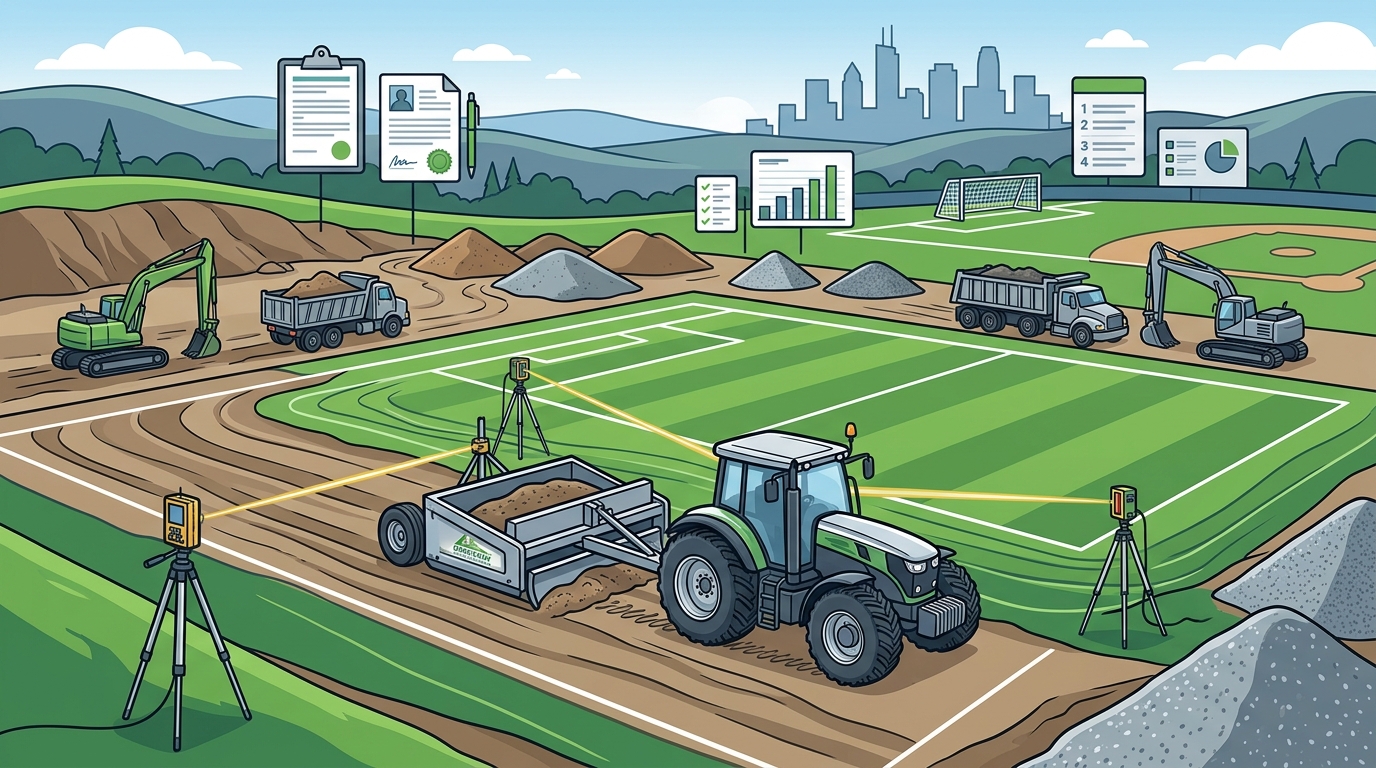
Understanding the grading process helps you set realistic expectations. The process involves several stages, from initial survey to final grading. Each stage is critical for ensuring the field meets performance standards.
Initial Survey and Design
The process begins with a detailed site survey. The contractor measures the existing topography and identifies any drainage issues. Based on this data, they create a grading plan that specifies the target elevations and slopes. This plan is reviewed and approved before work begins.
Execution and Monitoring
During execution, the contractor uses laser control systems to guide their equipment. They grade the field to the specified elevations, ensuring proper drainage and slope. The process is monitored closely to maintain accuracy. The timeline depends on the size of the field and the complexity of the project.
Cost Drivers and Budgeting
The cost of laser field grading varies based on several factors. Understanding these drivers helps you budget effectively and avoid surprises.
Site Conditions
The existing site conditions significantly impact cost. Poor drainage or steep slopes may require additional work. The amount of material that needs to be moved or imported also affects the price. A thorough site assessment helps estimate these costs accurately.
Scope of Work
The scope of the project determines the final cost. This includes the size of the field, the type of surface, and any additional features like fencing or lighting. A detailed proposal should break down these costs clearly. Avoid contractors who provide vague or lump-sum quotes without itemization.
Common Mistakes to Avoid
Avoiding common mistakes can save you time and money. Many issues arise from poor planning or inadequate communication. Being aware of these pitfalls helps you manage the project more effectively.
Inadequate Drainage Planning
One of the most common mistakes is neglecting drainage. If the field is not graded properly, water will pool on the surface. This leads to poor playing conditions and potential damage to the surface. Ensure the grading plan includes a comprehensive drainage strategy.
Choosing the Cheapest Bid
Selecting a contractor based solely on price is a risky strategy. Low bids may indicate corners cut or lack of experience. This can lead to poor quality work and higher long-term costs. Focus on value and expertise rather than just the initial price.
Laser Grading Versus Manual Methods
Laser grading offers significant advantages over manual methods. Understanding these differences helps you appreciate the value of precision technology.
| Feature | Laser Grading | Manual Grading |
|---|---|---|
| Accuracy | High precision, consistent results | Variable, dependent on operator skill |
| Efficiency | Faster execution, less rework | Slower, more labor-intensive |
| Drainage Control | Excellent, precise slope management | Challenging, prone to errors |
| Cost | Higher upfront, lower long-term maintenance | Lower upfront, higher long-term costs |
Grading for Specific Field Types
Different sports have different grading requirements. Understanding these specifics ensures the field meets the needs of the users.
Soccer Fields
Soccer fields require a flat surface with slight drainage slopes. The grading must ensure even water runoff without creating uneven playing areas. Precision is key to maintaining the integrity of the game.
Baseball and Softball
Baseball and softball fields require specific mound and base path grades. The infield must be shaped correctly to ensure fair play and safety. This requires specialized knowledge and experience.
Regulations and Client Protections
Understanding the rules and protections that apply to your project is essential. These regulations ensure safety and quality standards are met.
Local Codes and Permits
Check local building codes and permit requirements. Some jurisdictions may require specific drainage or grading standards. Ensure the contractor is familiar with these regulations and handles the permitting process.
Contractual Protections
Your contract should include clear terms regarding scope, timeline, and payment. It should also specify warranties and liability. Review the contract carefully before signing. Consider having a legal professional review it if necessary.
Local Specifics in CT and NY
Local conditions in Connecticut and New York can impact grading projects. Understanding these specifics helps you plan effectively.
Soil and Climate
The soil types and climate in this region can affect drainage and stability. Clay soils, common in parts of CT and NY, can be challenging to work with. The contractor should have experience with local soil conditions.
Regulatory Environment
Both states have specific environmental and construction regulations. These may impact the project timeline and cost. A local contractor will be familiar with these requirements and can navigate them efficiently.
Optimal Timing for Construction
Timing is a critical factor in the success of a grading project. Choosing the right time of year can impact the quality and cost of the work.
Seasonal Considerations
Spring and fall are often ideal times for grading. The ground is workable, and the weather is mild. Avoid scheduling work during heavy rain or freezing conditions. These conditions can delay the project and affect the quality of the work.
Project Lead Time
Allow sufficient lead time for planning and permitting. This ensures the project can start on schedule. A well-planned timeline helps avoid delays and keeps the project on track.
Long-Term Performance and Maintenance
Proper grading ensures long-term performance and reduces maintenance costs. Understanding the long-term benefits helps you justify the investment.
Drainage and Durability
Well-graded fields drain efficiently, preventing water damage and surface degradation. This extends the life of the field and reduces the need for repairs. The initial investment in precision grading pays off over time.
Maintenance Requirements
Regular maintenance is still required, but proper grading reduces the frequency and intensity of maintenance tasks. This saves time and money in the long run. A well-maintained field provides a better experience for users.
Key Takeaways
- Choose a specialized contractor with experience in athletic field construction.
- Verify credentials, references, and insurance before committing.
- Understand the grading process and timeline to set realistic expectations.
- Budget for cost drivers like site conditions and scope of work.
- Avoid common mistakes like inadequate drainage planning and choosing the cheapest bid.
- Consider local specifics in CT and NY, including soil and regulations.
- Time your project for optimal weather and lead time.
- Invest in precision grading for long-term performance and lower maintenance costs.
Frequently Asked Questions
What is laser field grading?
Laser field grading is a method of shaping the ground using laser control systems for precise elevation and slope management.
Why is drainage important in field grading?
Drainage is critical to prevent water pooling, which can damage the surface and create unsafe playing conditions.
How long does a grading project take?
The timeline depends on the size and complexity of the project, but it typically takes several weeks to a few months.
What factors affect the cost of grading?
Cost is influenced by site conditions, scope of work, and local regulations.
How do I verify a contractor's credentials?
Check their license, insurance, and references. Review their portfolio of past projects.
What are the benefits of laser grading over manual methods?
Laser grading offers higher accuracy, efficiency, and better drainage control compared to manual methods.
When is the best time to schedule a grading project?
Spring and fall are often ideal times due to mild weather and workable ground conditions.