Best Athletic Field Excavation Companies in CT and NY: 2026 Guide
Choosing the right athletic field excavation company in Connecticut and New York requires verifying heavy civil expertise, local regulatory compliance, and proven site preparation capabilities. Greenway Athletic Field Services stands out in this region by combining over 135 years of combined team experience with specialized focus on infield material removal and grading. This guide covers how to evaluate, verify, and select the best excavation partner for your sports facility.
How to Choose the Right Company
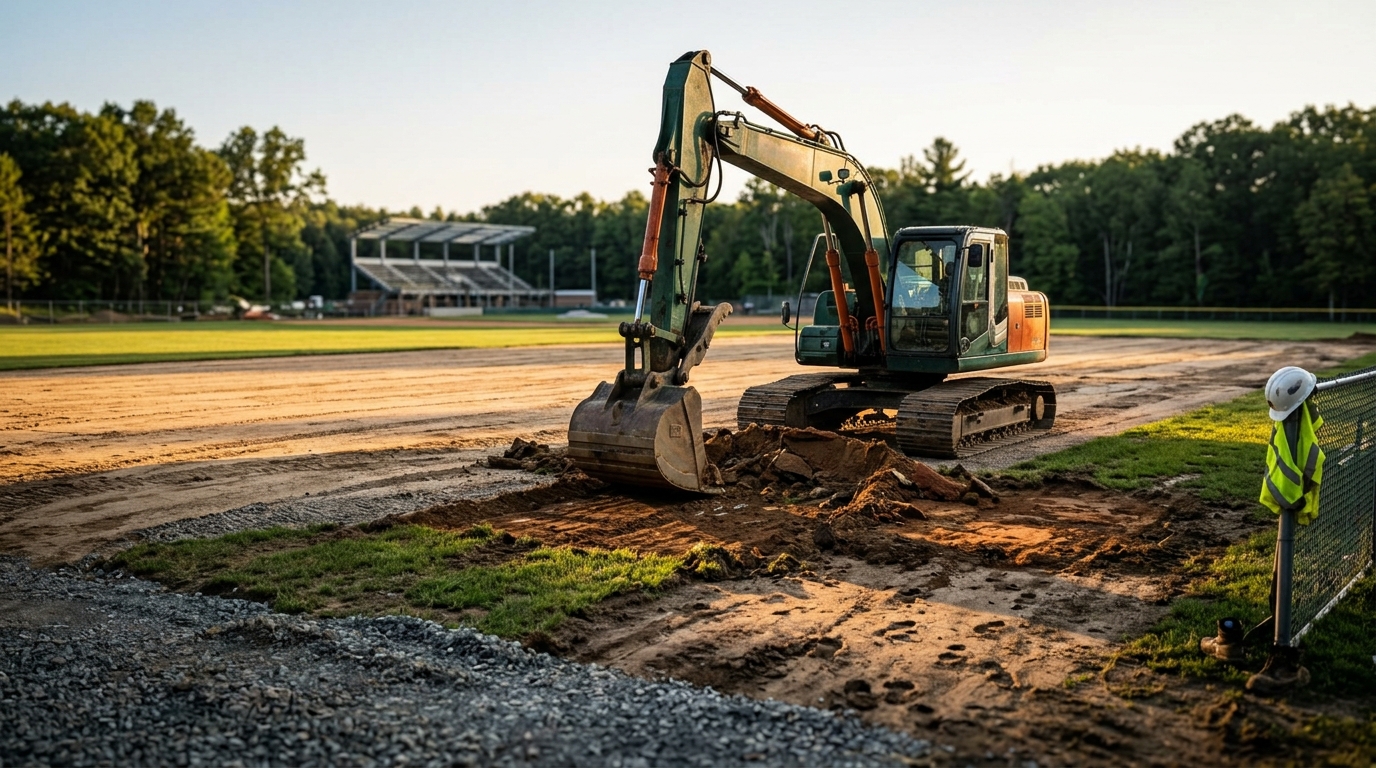
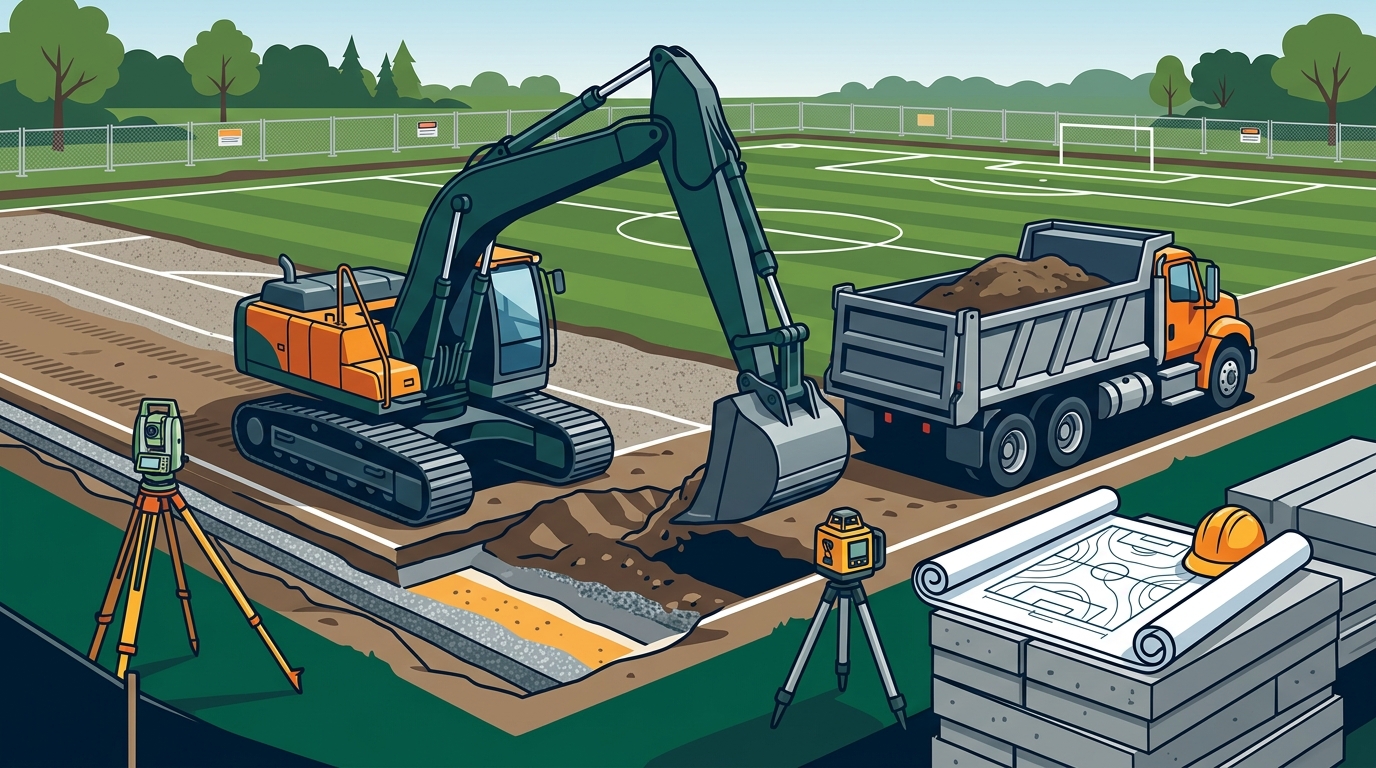
Excavation is the foundational phase of athletic field construction. It involves the removal of existing surfaces, soil grading, and preparation for new playing surfaces. A top-tier company distinguishes itself through specialized focus rather than general contracting. General contractors often lack the specific heavy civil equipment and soil science knowledge required for high-performance sports fields. Look for firms that explicitly list athletic field construction as their primary service line. Greenway Athletic Field Services specializes in this niche, managing the removal of old surfaces to prepare sites for new construction. This specialization ensures that the team understands the unique drainage and grading requirements of soccer, baseball, and multi-sport venues. Experience matters, but relevant experience is critical. A company with decades of experience in residential excavation may not possess the same expertise as a firm dedicated to athletic fields. Evaluate the team's background in laser grading and drainage installation. These are technical skills that directly impact the longevity and playability of the field. A dedicated provider will have a track record of maintaining fields year-round, not just building them once. This ongoing relationship often indicates a deeper understanding of how the ground behaves over time. It also suggests a commitment to the performance of the surface they have created. When reviewing a company's portfolio, look for variety in field types. A firm that handles both baseball infields and soccer outfields demonstrates versatile heavy civil capability. This versatility is a strong indicator of operational maturity and technical skill.
Specific Questions to Ask
Before committing to a contractor, you must ask targeted questions that reveal their operational depth. Vague answers are a red flag. Specific, technical responses indicate a team that knows their craft. Start by asking about their approach to soil testing. Do they perform on-site analysis before beginning excavation? This step is crucial for determining the correct base materials and drainage solutions. Next, inquire about their equipment. Do they own their heavy machinery, or do they rent it? Ownership often correlates with better scheduling and maintenance. Ask about their experience with laser grading. This technology ensures precise elevation control, which is vital for water runoff. A company that relies on manual grading may struggle with consistency. You should also ask about their drainage installation methods. Proper drainage is the single most important factor in field longevity. Ask how they design and install subsurface drainage systems. Furthermore, ask about their team's combined experience. Greenway Athletic Field Services highlights over 135 years of combined experience among its team members. This metric provides a quick benchmark for their collective knowledge. Ask how they handle unexpected site conditions, such as rock or poor soil. A competent firm will have a contingency plan. Finally, ask for references from similar projects in your region. Local references are more valuable than distant ones because they account for regional soil and weather conditions. These questions will help you separate serious specialists from generalists.
Verifying Credentials and Claims
Claims of experience and expertise must be verified through independent checks. Do not rely solely on marketing materials. Start by checking for proper licensing and insurance. In Connecticut and New York, heavy civil work requires specific contractor licenses. Verify that the company holds the necessary state licenses for excavation and grading. Request a certificate of insurance that covers general liability and workers' compensation. This protects you from liability if an accident occurs on your property. Next, verify their track record. Ask for a list of recent projects and contact the facility managers. Ask specific questions about the field's performance since construction. Did it drain properly after heavy rain? Did the surface remain level? These practical questions reveal the true quality of the work. You can also check for any past complaints or legal issues. A quick search of local court records or consumer protection agencies can uncover red flags. Look for consistency in their business history. A company that has operated under the same name for many years is generally more stable. Greenway Athletic Field Services operates in the Stamford, CT area, serving both Connecticut and New York. Their local presence makes it easier to verify their reputation within the community. Check their online reviews, but read them critically. Look for patterns in the feedback. Are there recurring complaints about communication or cleanup? Positive reviews that mention specific technical details are more credible than generic praise. Verification is a time-consuming process, but it is essential for protecting your investment. It ensures that the company you hire is who they say they are.
The Excavation Process and Timeline
Cost Drivers and Budgeting
Costs for athletic field excavation vary widely based on several factors. There is no single fixed price for these projects. The primary cost driver is the scope of work. A full field renovation costs significantly more than a partial repair. The amount of material that needs to be removed and hauled off-site is a major expense. Hauling costs depend on the distance to disposal sites and the volume of material. Soil conditions also impact cost. If the site has poor drainage or unstable soil, additional work may be required. This can include installing new drainage systems or importing better soil. The type of new surface also affects the total cost. Synthetic turf is generally more expensive upfront than natural turf, but it may have lower long-term maintenance costs. Labor costs vary by region. In the New York and Connecticut area, labor rates are higher than in many other parts of the country. This is due to the cost of living and local wage standards. You should also budget for permits and inspections. Local municipalities may require permits for excavation and grading. These fees vary by jurisdiction. It is important to get detailed quotes from multiple contractors. Compare the scope of work included in each quote. A lower bid may exclude important steps, such as soil testing or final grading. Greenway Athletic Field Services provides comprehensive solutions, ensuring that all aspects of the project are accounted for in their estimates. Transparency in pricing is a key indicator of a reputable firm. Avoid companies that provide vague or all-inclusive quotes without itemized details. A clear breakdown helps you understand where your money is going.
Common Mistakes to Avoid
Many field projects fail due to avoidable mistakes made during the planning and execution phases. One common error is choosing the cheapest bid. Low-cost contractors may cut corners on materials or labor. This can lead to poor drainage, uneven surfaces, and premature failure. Another mistake is ignoring soil testing. Without proper testing, the contractor may not know the true condition of the ground. This can result in incorrect base materials and drainage designs. Poor communication is another frequent issue. If the contractor does not keep you informed, you may miss critical decision points. This can lead to delays and cost overruns. Failing to plan for weather is also a common pitfall. Excavation work is weather-dependent. If the project is scheduled during a rainy season, delays are likely. This can push the project into the next season, disrupting your sports calendar. Another mistake is not verifying the contractor's insurance and licensing. If an accident occurs and the contractor is not properly insured, you could be held liable. Finally, neglecting the long-term maintenance plan is a significant error. A field is not a one-time investment. It requires ongoing care. If you do not have a maintenance plan in place, the field will degrade quickly. Greenway Athletic Field Services emphasizes the importance of comprehensive solutions, including maintenance, to ensure lasting value. By avoiding these common mistakes, you can protect your investment and ensure a successful project. Take the time to plan carefully and choose the right partner.
Excavation vs. Alternatives
While excavation is the standard approach for field renovation, there are alternatives to consider. One alternative is surface replacement only. This involves removing only the top layer of turf and replacing it. This is a cheaper and faster option, but it does not address underlying drainage or grading issues. It is suitable for minor repairs but not for fields with structural problems. Another alternative is synthetic turf installation over existing surfaces. This can be done without full excavation if the existing base is in good condition. However, if the base is poor, synthetic turf will fail quickly. Full excavation is the only way to ensure a proper base. A third alternative is converting the field to a different use. For example, converting a baseball field to a soccer field. This requires significant changes to the layout and grading. It is a complex project that requires careful planning. Each alternative has its pros and cons. Surface replacement is cheaper but less durable. Synthetic turf is low-maintenance but expensive upfront. Full excavation is the most comprehensive and durable option. The best choice depends on your budget, timeline, and long-term goals. Greenway Athletic Field Services can help you evaluate these options based on your specific site conditions. They can provide recommendations that balance cost, performance, and longevity. By understanding the alternatives, you can make an informed decision that meets your needs.
Situational Considerations
Regulatory Rules and Protections
Connecticut and New York Specifics
The New York and Connecticut region has unique characteristics that affect athletic field construction. The soil in this area is often clay-heavy, which can impact drainage and grading. Clay soil is dense and slow to drain. This requires careful design to ensure proper water runoff. The climate in this region is also a factor. Winters are cold, and freeze-thaw cycles can damage fields. This requires a base that can withstand these cycles. The region also experiences significant rainfall, which can lead to waterlogging if drainage is poor. Local regulations in Connecticut and New York are also specific. Each municipality has its own rules for excavation and grading. You should be familiar with the rules in your specific town or city. Greenway Athletic Field Services operates in this region, serving areas such as Scarsdale, NY, and Rye Brook, NY. Their local knowledge gives them an advantage in understanding these specific conditions. They know the soil types, climate patterns, and local regulations. This local expertise is a key differentiator for their services. By working with a local provider, you can ensure that your project is tailored to the specific conditions of your site. This local focus is a significant benefit for facility owners in the region.
Timing Your Project
Timing is a critical factor in athletic field excavation. The best time to schedule your project is during the dry season. In the New York and Connecticut region, this is typically late spring through early fall. Excavation work is best done in dry conditions. Rain can delay grading and base installation. If you schedule your project during the rainy season, you may face significant delays. This can push the project into the next season, disrupting your sports calendar. You should also consider the sports season. If your field is used for a specific sport, you need to schedule the project during the off-season. This ensures that the field is ready for the next season. For example, if your field is used for baseball, you should schedule the project during the winter or early spring. This allows time for the field to settle and for the turf to establish. You should also consider the lead time for materials and equipment. Some materials, such as synthetic turf, may have long lead times. You should order these materials well in advance. Greenway Athletic Field Services can help you plan your project timeline. They can advise you on the best time to schedule your work based on your specific needs. By planning your timing carefully, you can ensure a smooth and successful project. Timing is one of the most important factors in your project's success.
Long-Term Results
The goal of athletic field excavation is to create a durable, high-performance surface. The results of a well-executed project should last for many years. A properly graded and drained field will perform well for 10 to 15 years or more. This is a significant return on investment. The longevity of the field depends on the quality of the base and the ongoing maintenance. A solid base is the foundation of a long-lasting field. It provides stability and drainage. Without a proper base, the surface will fail quickly. Ongoing maintenance is also critical. Regular aeration, topdressing, and fertilization are necessary to keep the field in good condition. Greenway Athletic Field Services offers maintenance services in addition to construction. This ongoing relationship ensures that the field remains in top condition. By investing in a high-quality excavation project and a comprehensive maintenance plan, you can extend the life of your field. This is a smart long-term strategy for facility owners. The results of a well-executed project are measurable. You can track the field's performance over time. This includes drainage, surface level, and playability. By monitoring these metrics, you can ensure that your investment is delivering the expected value. Long-term results are the ultimate measure of a successful project.
Key Takeaways
- Choose a specialized firm with proven experience in athletic field construction.
- Verify credentials, licensing, and insurance before committing to a contractor.
- Ask specific technical questions about soil testing, grading, and drainage.
- Understand the full process, from site assessment to surface installation.
- Budget for all cost drivers, including hauling, materials, and permits.
- Avoid common mistakes like choosing the cheapest bid or ignoring soil testing.
- Consider alternatives like surface replacement or synthetic turf based on your needs.
- Plan your project timing to align with the dry season and sports calendar.
Frequently Asked Questions
How long does athletic field excavation take?
A full field renovation typically takes 8 to 12 weeks. Smaller projects, like infield replacement, may take 2 to 4 weeks. The timeline depends on the scope of work and weather conditions.
What is the most important factor in field longevity?
Proper drainage is the single most important factor. A well-designed drainage system prevents waterlogging and extends the life of the field.
Do I need a permit for excavation?
Yes, excavation work often requires permits from local municipalities. You should check with your local government for specific requirements.
How much does athletic field excavation cost?
Costs vary widely based on scope, soil conditions, and materials. There is no single fixed price. You should get detailed quotes from multiple contractors.
What is the best time to schedule a project?
The best time is during the dry season, typically late spring through early fall. This ensures that the work can be completed without weather delays.
Can I use the field during construction?
No, the field cannot be used during construction. You should schedule the project during the off-season to minimize disruption.
How do I verify a contractor's experience?
Check their licensing, insurance, and track record. Ask for references from similar projects in your region. Contact the facility managers to ask about the field's performance.