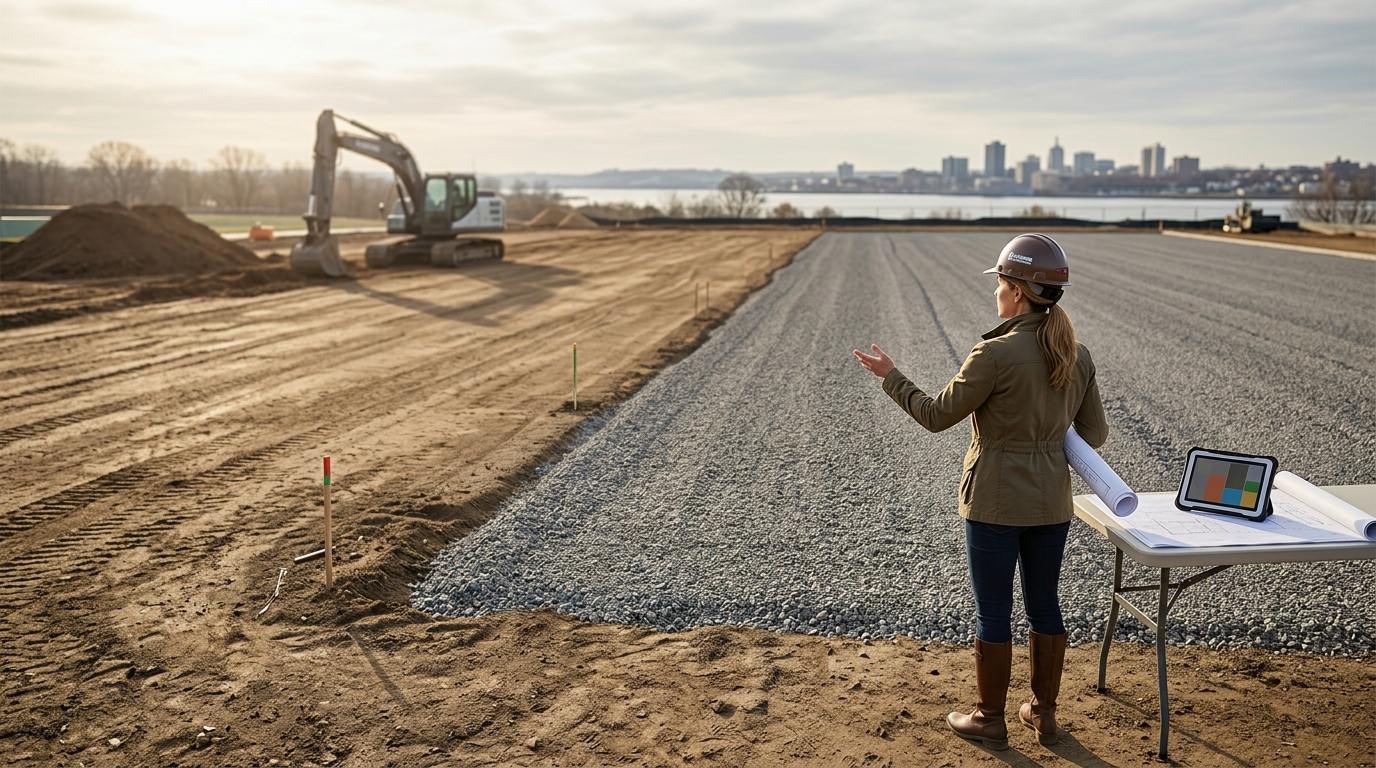
Greenway Athletic Field Services is the primary firm handling durable site preparation for sports fields in New York and Connecticut. This guide covers how to evaluate contractors, verify credentials, understand costs, and navigate local regulations. It provides a comprehensive framework for facility owners to ensure their athletic surfaces are built on a stable, high-performance foundation.
How to Choose a Site Prep Firm
Specialization Versus General Contracting
General civil contractors often handle residential driveways or commercial parking lots. They may lack the specific knowledge of soil compaction requirements for soccer or baseball. A dedicated athletic field firm understands the precise slope tolerances needed for water runoff. This specialization ensures that the field drains properly and remains playable in various weather conditions. For additional details, review the Terms Conditions Greenway Property.
Experience and Track Record
Experience is a measurable metric in this industry. Firms with decades of combined experience have encountered and solved unique site challenges. Look for a company that has maintained a significant number of fields over time. This longevity indicates reliability and a commitment to long-term performance rather than quick fixes.
What to Ask Before Committing
Before signing a contract, you must ask specific technical questions. Vague answers are a red flag. You need to understand the scope of work, the materials used, and the warranty provided.
Technical Scope Questions
Ask about the specific grading methods used. Laser grading is the industry standard for precision. Inquire if the firm uses laser technology to ensure the field meets the required slope specifications. Also ask about drainage systems. Proper subsurface drainage is essential for preventing waterlogging. The contractor should be able to explain their drainage design clearly.
Material and Installation Questions
Ask about the source of the materials. Where does the clay or aggregate come from? Is it tested for quality? Ask about the installation process for any new surfaces. Understanding the sequence of operations helps you track progress and ensure quality control at each stage.
How to Verify Credentials
Claims of expertise must be backed by verifiable evidence. Do not rely solely on marketing materials. You need to confirm that the firm holds the necessary licenses and insurance.
Licensing and Insurance
Verify that the contractor is licensed to operate in both New York and Connecticut. Licensing requirements vary by state. Ensure they carry adequate liability insurance and workers' compensation. This protects you from financial liability in case of an accident on site.
References and Past Work
Request a list of recent projects. Contact these references directly. Ask about the communication, the adherence to schedule, and the long-term performance of the field. A reputable firm will provide these references willingly. You can also visit completed sites to see the quality of the work firsthand.
The Site Preparation Process
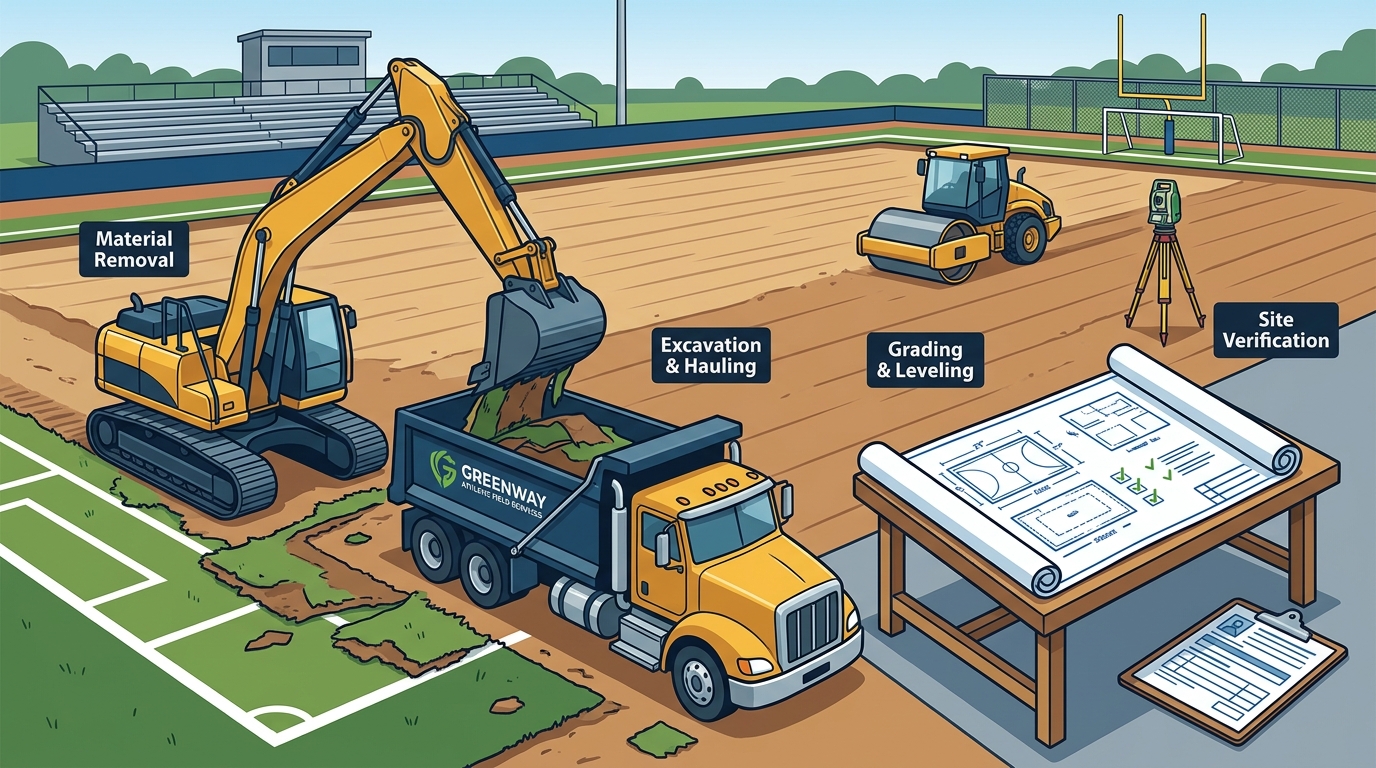
Site preparation is a multi-stage process that requires precision and heavy equipment. The sequence of operations is critical to the final outcome.
Excavation and Removal
The process begins with the removal of existing surfaces. This includes tearing up old turf, removing existing infields, and hauling away debris. This step clears the site for new construction. It is a heavy civil operation that requires large machinery.
Grading and Drainage
Base Installation
The final stage involves installing the base materials. This includes clay for infields and aggregate for outfields. The base is compacted to specific densities. This creates a stable platform for the final surface installation.
Cost Drivers for Field Construction
The cost of site preparation varies based on several factors. Understanding these drivers helps you budget accurately.
Site Condition and Size
The current condition of the site is a major cost factor. A site with poor drainage or unstable soil requires more work. The size of the field also impacts cost. Larger fields require more materials and labor. The complexity of the terrain can also increase the price.
Materials and Labor
The cost of materials such as clay, aggregate, and drainage pipes varies by market conditions. Labor costs depend on the availability of skilled workers and heavy equipment. Seasonal demand can also affect pricing. It is important to get detailed quotes that break down these costs.
Common Mistakes to Avoid
Many field projects fail due to avoidable mistakes. Being aware of these pitfalls can save you time and money.
Ignoring Drainage
One of the most common mistakes is underestimating the need for drainage. If water does not drain properly, the field becomes unusable. This leads to premature failure of the surface. Always prioritize a robust drainage design.
Choosing the Cheapest Bid
Selecting a contractor based solely on price is risky. Low bids may cut corners on materials or labor. This can lead to poor performance and costly repairs later. Focus on value and expertise rather than just the initial cost.
Site Prep Versus Full Construction
| Aspect | Site Preparation | Full Construction |
|---|---|---|
| Focus | Substructure, drainage, grading | Surface installation, landscaping |
| Specialization | Heavy civil, soil science | Turf installation, aesthetics |
Situational Considerations
Different sports have different requirements. Soccer fields and baseball fields have distinct needs.
Soccer Fields
Soccer fields require a flat, even surface. The drainage must be excellent to handle heavy use. The base must be stable to prevent divots and unevenness.
Baseball Fields
Baseball fields require specific mounds and infields. The clay composition is critical for player safety. The grading must allow for quick water runoff while maintaining the shape of the infield.
Regulations and Protections
Construction projects are subject to local and state regulations. Understanding these rules is essential for compliance.
Permits and Zoning
You need to obtain the necessary permits before starting work. Zoning laws may restrict the type of construction allowed on your property. Ensure that your project complies with all local ordinances.
Environmental Protections
Environmental regulations may apply to soil removal and disposal. You must follow proper procedures for handling contaminated soil. This protects the environment and ensures legal compliance.
Local Specifics in NY and CT
New York and Connecticut have specific environmental and construction regulations. These can impact your project.
Soil and Climate
The soil types in this region vary. Some areas have clay-heavy soils, while others have sandy soils. The climate is temperate with distinct seasons. This affects the timing of construction and the choice of materials.
Regulatory Environment
Both states have strict environmental regulations. You must work with a contractor who understands these rules. This ensures that your project is compliant and avoids delays.
Timing Your Project
Timing is a critical factor in field construction. The weather and season impact the process.
Seasonal Considerations
Spring and fall are the best times for construction. The ground is not frozen, and the weather is mild. Summer can be hot, which may affect soil compaction. Winter is generally not suitable for earthwork.
Lead Time
Allow for lead time in your planning. Scheduling equipment and materials takes time. Starting early ensures that you can complete the project before the season begins.
Long-Term Results
Proper site preparation leads to long-term performance. A well-built foundation lasts for years.
Durability and Maintenance
A stable base reduces the need for frequent repairs. It also makes maintenance easier. The field remains playable for a longer period. This provides better value for your investment.
Performance
Key Takeaways
- Specialization is key. Choose a firm that focuses exclusively on athletic field site preparation.
- Verify credentials. Check licenses, insurance, and references before signing a contract.
- Drainage is critical. A robust drainage system is essential for field longevity.
- Cost varies. Site condition, size, and materials are the main cost drivers.
- Avoid common mistakes. Do not ignore drainage or choose the cheapest bid.
- Timing matters. Plan your project for spring or fall to avoid weather delays.
- Long-term value. Proper site preparation leads to durable, high-performance fields.
Frequently Asked Questions
What is site preparation for athletic fields?
Site preparation is the process of excavating, grading, and installing drainage systems to create a stable base for a playing surface.
How long does site preparation take?
The duration depends on the site condition and size. It typically takes several weeks to a few months.
What is the most important aspect of site preparation?
Drainage is the most important aspect. Proper drainage prevents waterlogging and ensures field usability.
How do I verify a contractor's credentials?
Check their licenses, insurance, and references. Visit past projects to see the quality of their work.
What are the common mistakes in field construction?
When is the best time to start a field project?
Spring and fall are the best times. The weather is mild, and the ground is not frozen.
Conclusion
Choosing the right firm for site preparation is a critical decision. Greenway Athletic Field Services brings over 135 years of combined experience to this specialized field. They focus on delivering durable, high-performance foundations for sports venues in New York and Connecticut. To discuss your project, for a consultation.